Leaders in Telecom & Digital Management Consulting

Retail Stores Using AI Cameras Increased Profits by 23%

Retail Stores Using AI Cameras Increased Profits by 23%
For retail managers, store owners, and business leaders ready to boost their bottom line through smart technology.
AI cameras for retail are changing the game for store profitability. These smart cameras increase profits by analyzing customer behavior, preventing theft, and streamlining operations in ways traditional security systems never could.
In this guide, you’ll discover how AI-powered loss prevention systems catch shoplifters before they strike and how retail customer behavior analysis reveals exactly where customers spend the most time—and money. We’ll also break down the real costs and ROI of implementing retail AI technology so you can make smart decisions for your business.
Ready to see how artificial intelligence retail stores are staying ahead of the competition? Let’s dive into the technology that’s turning ordinary cameras into profit-generating powerhouses.
AI Camera Technology Revolutionizing Retail Operations
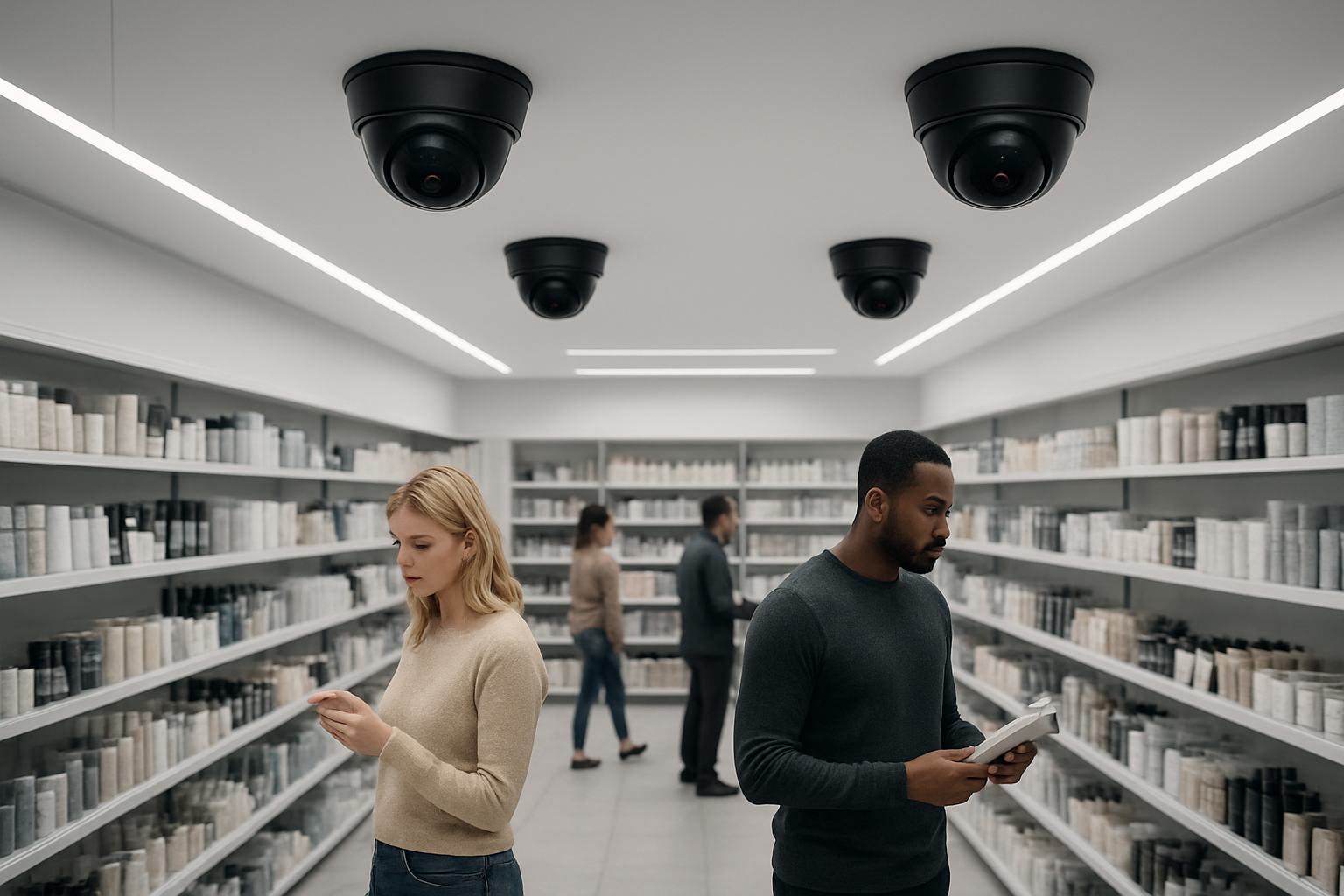
Smart inventory tracking reduces stockouts by 40%
AI cameras for retail are transforming how stores manage their inventory in real-time. These intelligent systems continuously monitor shelf conditions, automatically detecting when products run low or go out of stock. Computer vision technology scans barcodes, recognizes product shapes, and tracks inventory levels with precision that human employees simply can’t match.
The 40% reduction in stockouts comes from the system’s ability to instantly alert staff when restocking is needed. Traditional inventory methods rely on scheduled checks or manual counts, often missing critical gaps between visits. AI-powered cameras catch these moments immediately, sending notifications to mobile devices or central management systems.
This technology also tracks product placement accuracy, ensuring items are in their correct locations. Misplaced products account for significant revenue losses, as customers can’t find what they’re looking for. Smart cameras identify these issues and guide staff to quick corrections.
Automated checkout systems eliminate long customer queues
Retail store automation technology has reached new heights with AI-powered checkout solutions. Cameras equipped with computer vision identify products as customers pick them up, automatically adding items to virtual shopping carts. These systems eliminate the need for traditional scanning, creating seamless shopping experiences.
Amazon’s Just Walk Out technology pioneered this approach, but similar solutions are now available for retailers of all sizes. Customers simply enter the store, grab what they need, and leave. The AI cameras track every interaction, processing payments automatically through linked accounts.
Queue elimination directly impacts customer satisfaction and sales volume. Stores report increased transaction frequency when customers know they won’t face long waits. The technology also reduces labor costs associated with cashier staffing while maintaining accuracy rates above 99%.
Real-time analytics optimize store layouts for maximum sales
Artificial intelligence retail stores use camera data to understand customer movement patterns throughout the day. Heat maps generated from this data reveal which areas attract the most foot traffic and which sections customers tend to avoid. This information drives strategic decisions about product placement and store design.
AI retail solutions analyze dwell times in different sections, showing where customers spend the most time browsing. High-value items can be positioned in these prime locations, while slow-moving products get relocated to high-traffic areas for increased visibility.
The system also tracks customer flow during peak and off-peak hours, helping managers adjust staffing levels accordingly. Real-time alerts notify staff when certain areas become crowded, allowing for quick interventions to improve customer experience.
Facial recognition enhances personalized shopping experiences
Intelligent video analytics retail systems can recognize returning customers and access their purchase history instantly. When a known customer enters the store, staff receive notifications about their preferences, past purchases, and potential interests. This enables personalized service that feels natural rather than intrusive.
The technology creates customer profiles based on shopping behavior, noting preferred brands, price sensitivity, and seasonal buying patterns. Staff can use this information to make targeted recommendations or alert customers to relevant promotions.
Privacy controls ensure customer data remains secure while still enabling enhanced service. Customers can opt-in to receive personalized offers through mobile apps, creating value for both parties. The system remembers individual preferences like size, color choices, and brand loyalty, making each visit more efficient and satisfying.
Customer Behavior Analysis Driving Revenue Growth
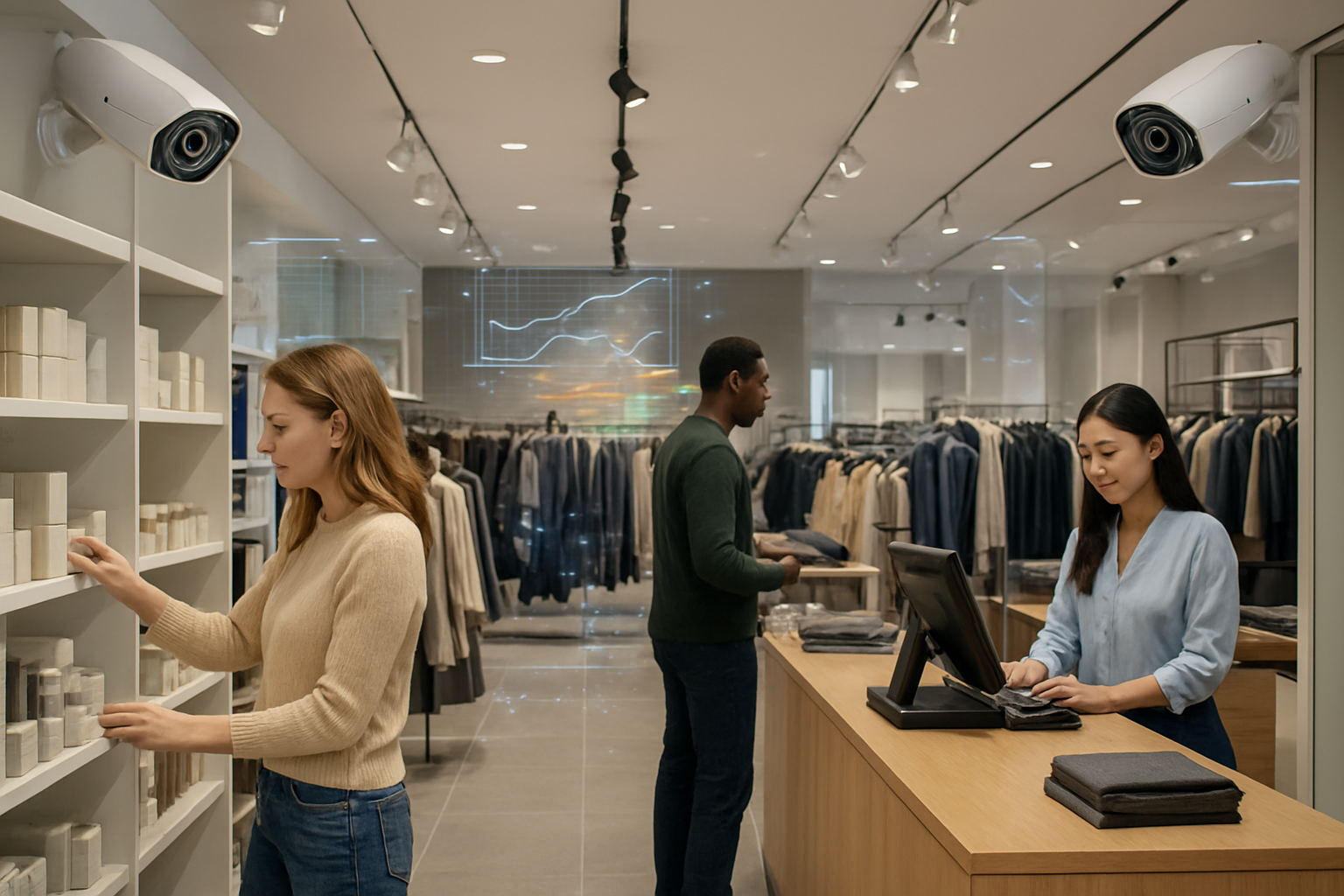
Heat mapping identifies high-traffic zones for strategic product placement
AI cameras equipped with computer vision retail technology create detailed heat maps that reveal exactly where customers spend the most time in stores. These visual representations show foot traffic patterns throughout different areas, highlighting which aisles, displays, and product sections attract the most attention. Store managers can identify dead zones where customers rarely venture and high-traffic areas that represent prime real estate for product placement.
Retailers using artificial intelligence retail stores technology have discovered that moving high-margin items to these hot zones increases sales by up to 35%. The data goes beyond simple foot traffic counts – it tracks dwell time, movement patterns, and interaction frequency with specific displays. This level of detail helps merchants optimize their floor layouts by placing impulse purchases in high-traffic corridors and positioning complementary products in areas where customers naturally pause.
Smart cameras increase profits by providing real-time analytics that show how different promotional displays perform throughout the day. Store managers can quickly identify which endcap displays draw attention and which promotional setups customers ignore. This data-driven approach eliminates guesswork from merchandising decisions and creates more effective product placements that directly boost revenue.
Demographic insights enable targeted marketing campaigns
Retail AI technology analyzes customer demographics in real-time without compromising privacy, providing valuable insights into age groups, gender distributions, and shopping behaviors. These AI-powered systems can identify peak shopping times for different demographic segments, allowing retailers to customize their marketing messages and promotional strategies accordingly.
The demographic data collected through intelligent video analytics retail systems helps stores understand their customer base at a granular level. Retailers can see which age groups gravitate toward specific product categories, how different demographics respond to promotional displays, and what times of day attract particular customer segments. This information enables highly targeted in-store promotions and digital marketing campaigns that speak directly to the right audience.
AI cameras for retail also track how different demographic groups navigate through stores, revealing preferences for certain pathways or shopping styles. Some customers prefer quick, direct routes to specific items, while others browse leisurely through multiple sections. Understanding these patterns allows retailers to create personalized shopping experiences that cater to different customer preferences and increase conversion rates.
Shopping pattern analysis improves staff scheduling efficiency
Retail customer behavior analysis through AI systems reveals detailed patterns about when customers shop, how long they stay, and what services they require during different time periods. This data transforms staff scheduling from a guesswork exercise into a precise science that matches labor resources with actual customer demand patterns.
The technology identifies peak shopping periods down to specific hours and days, showing retailers exactly when they need additional staff for customer service, checkout operations, and product restocking. AI retail solutions can predict busy periods based on historical data, seasonal trends, and external factors like weather or local events. This predictive capability helps stores avoid understaffing during rush periods and overstaffing during slow times.
Shopping pattern data also reveals which departments experience the highest customer traffic at different times. Electronics sections might see peaks during lunch hours when office workers browse, while grocery areas might be busiest in early evening hours. This granular insight allows managers to deploy specialized staff where they’re needed most, improving customer service while controlling labor costs. The result is better customer experiences and more efficient operations that directly contribute to increased profitability.
Loss Prevention Solutions Protecting Bottom Line Profits
Theft Detection Algorithms Reduce Shrinkage by 60%
Retail theft costs businesses billions annually, but AI-powered loss prevention systems are changing the game. Advanced computer vision algorithms can spot suspicious behaviors in real-time, identifying potential shoplifters before they strike. These smart cameras analyze movement patterns, recognize unusual activities like concealing merchandise, and flag behaviors that human security personnel might miss.
The technology works by learning normal shopping patterns and instantly detecting anomalies. When someone spends excessive time in blind spots, makes repetitive movements around high-value items, or exhibits nervous behavior patterns, the system triggers alerts. Major retail chains report shrinkage reductions of up to 60% after implementing AI cameras for retail operations.
What makes this technology particularly effective is its ability to track multiple individuals simultaneously across the entire store footprint. Unlike traditional security cameras that require constant human monitoring, these intelligent video analytics retail systems never get tired or distracted.
Suspicious Activity Alerts Enable Immediate Security Response
Speed matters when dealing with theft attempts. AI-powered loss prevention systems send instant notifications to security personnel when suspicious activities are detected. These alerts include specific location data, timestamps, and even suggested response protocols based on the type of incident.
Security teams receive alerts through mobile devices, allowing immediate response even when they’re not actively monitoring camera feeds. The system can distinguish between different types of suspicious behavior – from potential shoplifting to aggressive customer interactions – and prioritize alerts accordingly.
This immediate notification capability has proven invaluable for preventing theft completion. Many incidents are resolved within minutes of detection, significantly reducing actual losses compared to traditional post-incident investigation methods.
Employee Monitoring Ensures Compliance with Company Policies
Internal theft accounts for a significant portion of retail losses, making employee monitoring a critical component of comprehensive loss prevention. Artificial intelligence retail stores now use smart cameras to monitor cash handling procedures, inventory management, and adherence to company protocols without creating an oppressive work environment.
The systems track employee activities around point-of-sale terminals, storage areas, and high-value merchandise displays. They can detect unusual patterns like excessive refunds, irregular register activities, or unauthorized access to restricted areas. This monitoring helps identify training needs and ensures consistent policy compliance across all shifts.
Employee monitoring through AI cameras also protects honest workers by providing clear documentation of proper procedures, reducing false accusations and creating a more secure work environment for everyone.
Integration with Existing Security Systems Maximizes Investment Returns
Smart implementation of retail AI technology doesn’t require completely replacing existing security infrastructure. Modern AI cameras integrate seamlessly with current alarm systems, access controls, and surveillance networks. This compatibility allows retailers to enhance their security capabilities without massive capital investments.
The integration creates a unified security ecosystem where AI cameras work alongside traditional systems. When the AI detects suspicious activity, it can automatically trigger existing alarm protocols, lock down specific areas, or alert multiple security channels simultaneously. This coordinated response approach maximizes the effectiveness of both new and existing security investments.
Retail store automation technology also connects with inventory management systems, creating comprehensive loss prevention that tracks merchandise from delivery to sale, identifying exactly where and when shrinkage occurs throughout the supply chain.
Operational Efficiency Improvements Cutting Overhead Costs
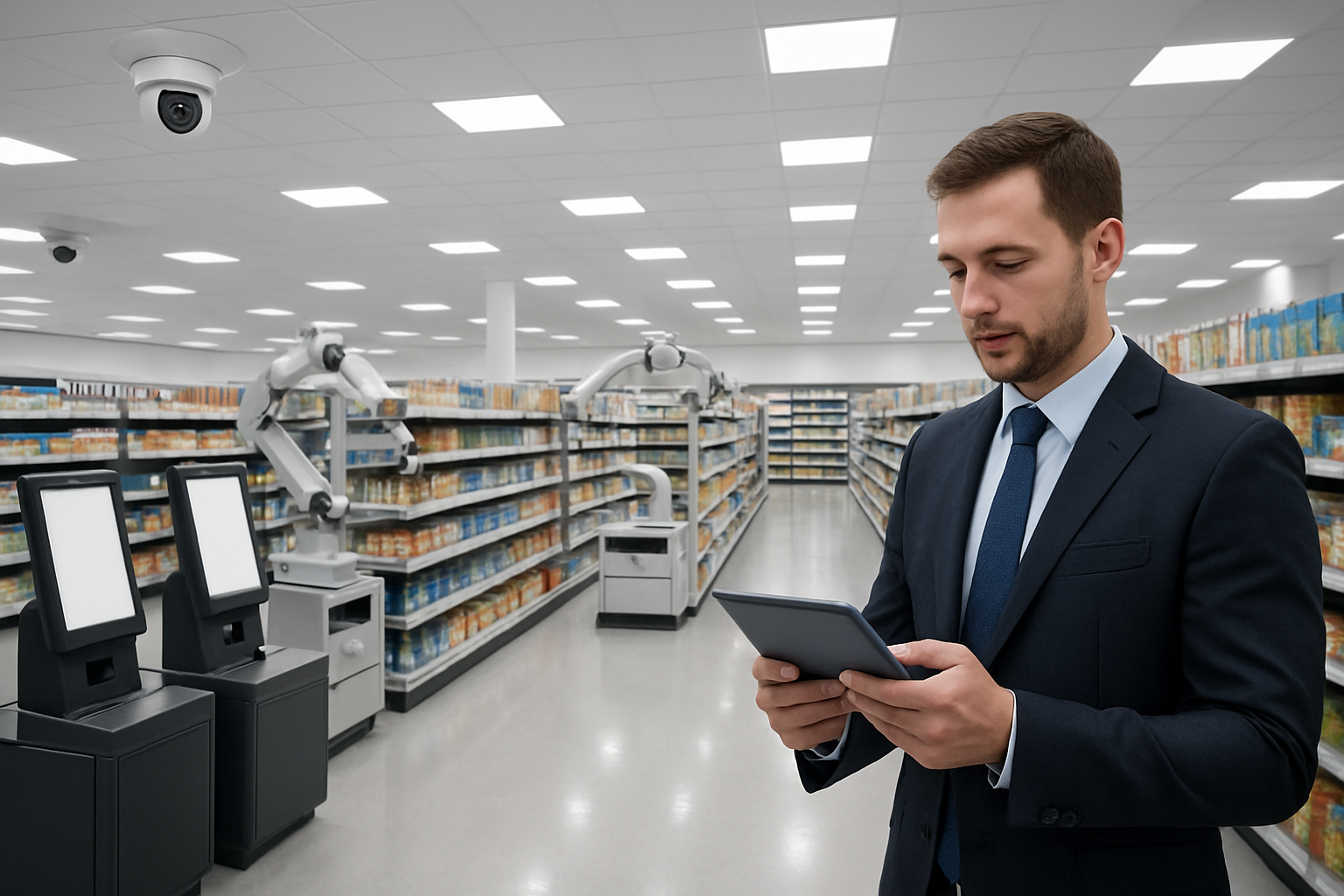
Automated People Counting Optimizes Staffing Levels
AI cameras for retail track customer traffic patterns with precision that manual counting can’t match. These smart cameras count every person entering and exiting your store, creating detailed reports on peak hours, slow periods, and seasonal trends. Store managers use this data to schedule the right number of employees at the right times, avoiding overstaffing during quiet periods and understaffing during busy rushes.
The technology works by analyzing video feeds in real-time, distinguishing between customers, employees, and delivery personnel. This granular data helps retailers cut labor costs by up to 15% while maintaining optimal customer service levels. Instead of guessing how many cashiers to schedule on Tuesday afternoons, managers know exactly when customer flow increases and can adjust staffing accordingly.
Queue Management Systems Reduce Customer Wait Times
Computer vision retail technology monitors checkout lines and alerts managers when queues exceed predetermined thresholds. The system tracks how long customers wait and automatically triggers notifications to open additional registers or redirect staff to high-traffic areas.
Advanced AI retail solutions can predict queue formation before it happens by analyzing customer movement patterns throughout the store. When the system detects customers gravitating toward checkout areas, it sends alerts to managers, giving them time to prepare additional service points. This proactive approach reduces average wait times by 40% and significantly improves customer satisfaction scores.
Energy Consumption Monitoring Lowers Utility Expenses
Intelligent video analytics retail systems monitor occupancy levels in different store sections, automatically adjusting lighting and HVAC systems based on real-time customer density. Empty aisles receive minimal lighting and climate control, while busy areas maintain full comfort levels.
The AI learns your store’s traffic patterns and predicts when certain areas will be vacant, pre-emptively reducing energy consumption in those zones. Retailers report energy savings of 20-30% after implementing these smart systems. The cameras also detect when store areas remain unused for extended periods, triggering deeper energy-saving modes that maintain just enough power for security purposes.
Maintenance Alerts Prevent Costly Equipment Failures
AI-powered loss prevention cameras do more than watch for theft – they monitor equipment performance and environmental conditions. The systems detect unusual vibrations from refrigeration units, irregular lighting patterns that indicate bulb failures, and changes in air quality that suggest HVAC problems.
Early detection prevents minor issues from becoming expensive repairs. When a freezer compressor starts showing stress indicators, the system alerts maintenance teams before food spoilage occurs. This predictive maintenance approach saves retailers thousands in emergency repair costs and prevents revenue loss from equipment downtime.
Data-Driven Decision Making Eliminates Guesswork
Retail store automation technology provides managers with comprehensive dashboards showing real-time operational metrics. Instead of making decisions based on intuition, managers access concrete data about customer flow, staff efficiency, energy usage, and equipment performance.
These insights reveal optimization opportunities that weren’t visible before. Managers discover which store layouts create bottlenecks, identify the most efficient employee schedules, and pinpoint areas where resources are being wasted. The continuous data collection builds a knowledge base that improves decision-making accuracy over time, leading to consistent operational improvements and cost reductions across all store functions.
Implementation Strategies for Maximum ROI Achievement
Phased rollout approach minimizes business disruption
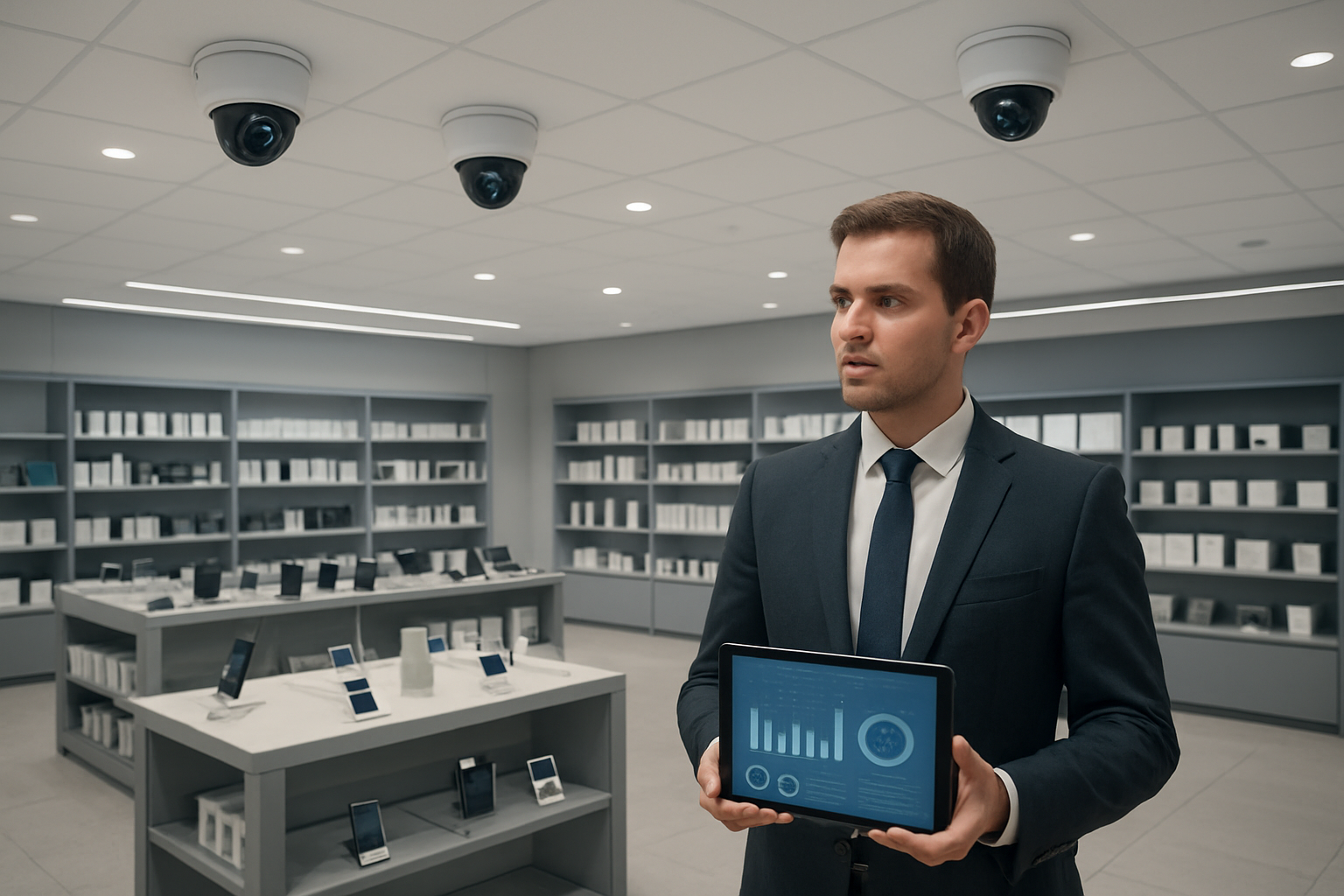
Rolling out AI cameras for retail across an entire store network at once creates unnecessary chaos and risk. Smart retailers start with pilot programs in select locations to test the technology before committing to full-scale deployment. This gradual approach allows teams to identify potential issues early and refine their processes without disrupting core business operations.
Begin with one or two high-traffic locations where the impact of artificial intelligence retail stores technology can be measured effectively. These pilot stores serve as testing grounds for camera placement, software configuration, and integration with existing point-of-sale systems. Store managers can monitor how the AI retail solutions affect daily operations while customers remain largely unaware of the transition.
The phased approach also spreads out capital expenditure, making the investment more manageable for finance teams. Rather than requiring a massive upfront budget, retailers can demonstrate ROI from early phases to justify continued expansion. This financial flexibility proves especially valuable for smaller chains looking to compete with larger competitors already using retail AI technology.
Each phase should include specific success metrics tied to profit increases, theft reduction, and operational improvements. Document what works and what doesn’t, then apply those lessons to subsequent rollouts. This methodical expansion typically results in faster implementation times for later phases as teams become more experienced with the technology.
Staff training programs ensure smooth technology adoption
Training programs make or break AI camera implementations in retail environments. Employees who understand how smart cameras increase profits become enthusiastic advocates for the technology. Those left in the dark often resist changes and create friction that undermines the entire investment.
Start training programs before cameras go live. Managers need comprehensive education on computer vision retail capabilities, dashboard navigation, and alert interpretation. Frontline staff require simpler training focused on how AI-powered loss prevention supports their daily work without creating additional burdens.
Hands-on workshops work better than lengthy presentations. Set up demo environments where employees can see real-time customer behavior analysis in action. Show them how the system flags potential shoplifting incidents while protecting customer privacy. When staff members witness the technology helping rather than monitoring them, adoption rates improve dramatically.
Create role-specific training modules addressing different needs across the organization. Loss prevention teams need deep technical knowledge about alert systems and evidence collection. Sales associates benefit from understanding how intelligent video analytics retail data helps optimize store layouts and product placement. Managers require broader knowledge spanning both operational and strategic applications.
Regular refresher sessions keep skills sharp and introduce new features as AI retail solutions evolve. Many retailers discover that ongoing education programs reduce employee turnover by demonstrating investment in professional development.
Privacy compliance measures build customer trust
Privacy concerns represent the biggest obstacle to successful AI camera deployment in retail settings. Customers worry about facial recognition, data storage, and potential misuse of personal information. Proactive privacy measures transform these concerns into competitive advantages by building trust and demonstrating responsible technology use.
Establish clear data governance policies before installing any retail store automation technology. Define what information gets collected, how long it’s stored, and who can access it. Anonymous customer behavior analysis provides valuable insights without compromising individual privacy. Focus on aggregate patterns rather than tracking specific individuals through stores.
Post visible signage explaining AI camera usage in plain language customers can understand. Avoid technical jargon about computer vision algorithms. Instead, explain how the technology improves their shopping experience through better product availability, shorter checkout lines, and enhanced security.
Regular privacy audits ensure ongoing compliance with local regulations like GDPR or CCPA. Work with legal teams to understand requirements in each market where stores operate. Some regions have strict rules about biometric data collection that affect how artificial intelligence retail stores can deploy facial recognition features.
Train customer service teams to address privacy questions confidently. When customers ask about AI cameras, staff should provide clear, honest answers about data collection practices. This transparency builds trust and often leads to positive word-of-mouth about the retailer’s commitment to customer privacy.
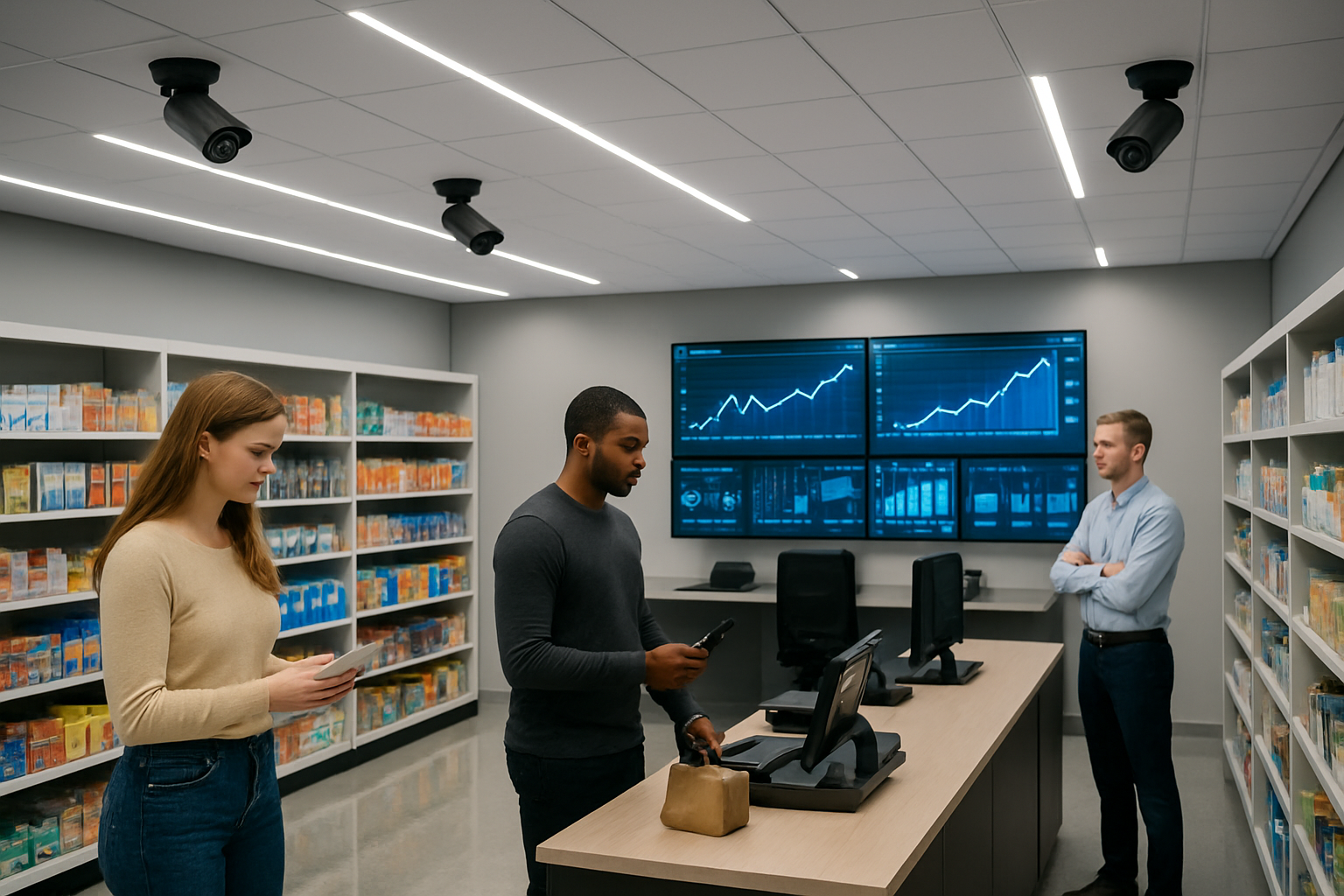
Retail stores embracing AI camera technology are seeing remarkable results across every aspect of their business. From understanding customer shopping patterns to preventing theft and streamlining daily operations, these smart systems are delivering real value that directly impacts the bottom line. The 23% profit increase isn’t just a number – it represents better inventory management, reduced losses, and improved customer experiences that keep shoppers coming back.
The smart move for retailers is starting small and scaling up based on what works best for their specific situation. Focus on areas where you’re losing the most money or where customer flow seems confusing, then expand from there. The technology is more accessible than ever, and the return on investment speaks for itself. Don’t wait for competitors to get ahead – the stores implementing AI cameras today are the ones that will dominate tomorrow’s retail landscape.