Leaders in Telecom & Digital Management Consulting

Why Sustainable Telecom Matters: 5 Pillars for Success

Ready for a sobering reality check? The telecom industry produces more carbon emissions than the entire aviation sector. Yeah, that hit me hard too.
Sustainable telecom isn’t just another corporate buzzword—it’s becoming the make-or-break factor for companies trying to survive in our climate-conscious world. This post breaks down the five essential pillars of sustainable telecommunications that smart leaders are implementing right now.
I’ve spent the last decade watching companies either thrive or nosedive based on their sustainability choices. The winners didn’t just talk about going green—they completely reimagined their infrastructure, operations, and product development.
But here’s what most telecom executives miss about sustainability until it’s too late…
Understanding Sustainable Telecom: Beyond the Buzzword
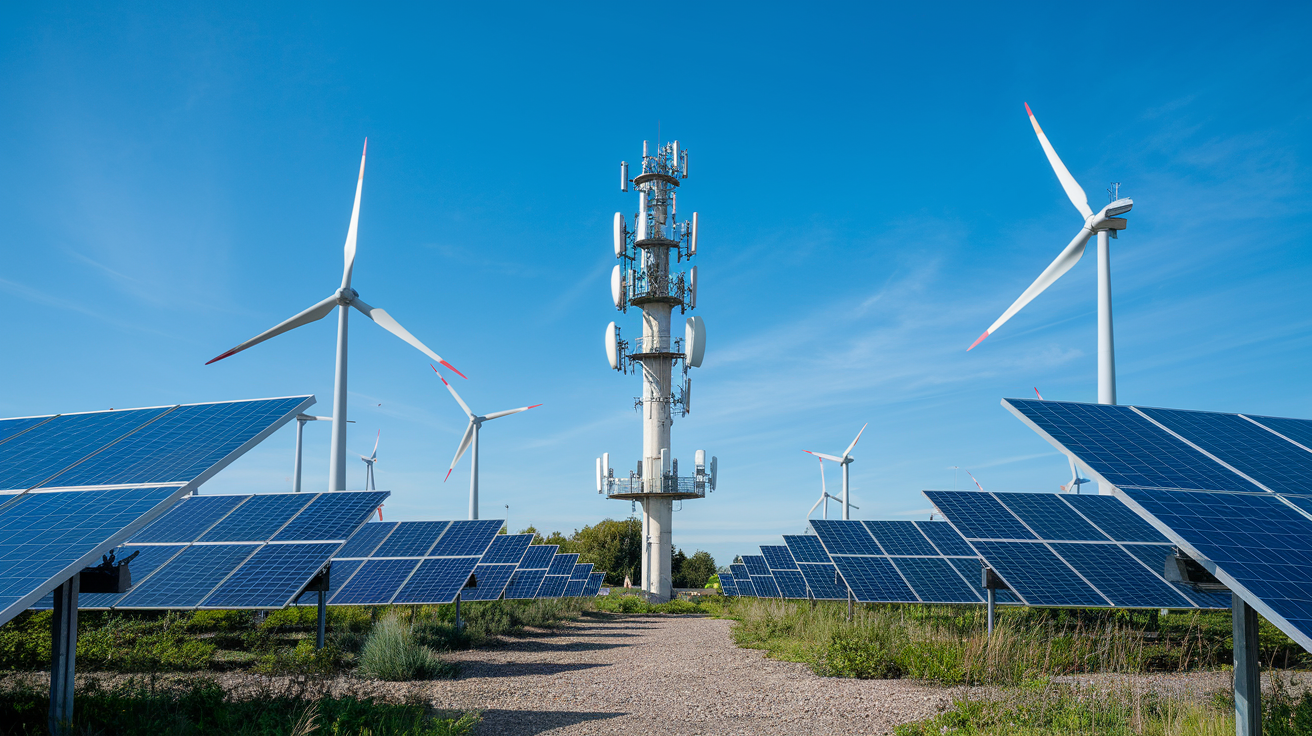
The Environmental Impact of Traditional Telecom Infrastructure
The telecom industry’s carbon footprint is massive, and I’m not exaggerating. We’re talking about networks that run 24/7, powered by energy-hungry data centers that generate enough heat to fry an egg.
Traditional telecom infrastructure consumes roughly 3% of global energy – that’s more than the entire aviation industry. Surprised? Most people are.
Those cell towers you see everywhere? Each one gobbles up to 25,000 kWh annually. Multiply that by millions of towers worldwide, and you’ve got an environmental nightmare.
The hardware lifecycle is another problem entirely. The average smartphone gets replaced every 2-3 years, creating mountains of e-waste. Most of it ends up in landfills, leaching toxic chemicals into soil and water.
Economic Benefits of Green Telecom Initiatives
Going green isn’t just good karma – it’s good business.
Companies implementing sustainable telecom practices are seeing 15-30% reductions in operational costs. Energy-efficient networks mean lower electricity bills. Period.
The numbers don’t lie:
| Investment Area | Average ROI Timeframe | Cost Reduction |
|---|---|---|
| Solar-powered towers | 4-7 years | 40-60% |
| AI-optimized networks | 1-2 years | 15-25% |
| Equipment recycling | Immediate | 10-20% |
Smart telecom companies are riding this wave all the way to the bank. British Telecom saved $343 million through carbon reduction initiatives between 2018-2024. That’s not pocket change.
Social Responsibility in the Digital Communication Era
The digital divide isn’t just a buzzword – it’s the reality for nearly 3 billion people worldwide without internet access.
Sustainable telecom isn’t just about saving trees. It’s about creating technologies that work for everyone, everywhere. Rural communities. Developing nations. The elderly. People with disabilities.
Digital inclusion drives economic opportunity. A 10% increase in internet penetration can boost GDP by up to 1.4% in developing regions.
Telecom companies pioneering sustainable practices are building trust with consumers too. About 76% of younger consumers now consider a company’s social impact before making purchasing decisions.
How Sustainable Telecom Aligns with Global Climate Goals
The Paris Agreement set ambitious targets. For telecom companies, this means one thing: adapt or become obsolete.
The industry is now racing toward net-zero emissions, with over 50 major telecom providers committing to carbon neutrality by 2050 or sooner. Some are aiming for 2030.
What’s driving this change? A perfect storm of:
- Government regulations with real teeth
- Investor pressure (ESG investing grew 42% between 2022-2025)
- Consumer demand for greener services
- Technological innovations making sustainability profitable
When telecom giants like Vodafone and AT&T pledge billions toward renewable energy, it’s not just PR. It’s survival.
The ICT sector could help other industries reduce carbon emissions by up to 20% through smart grids, remote work technologies, and IoT solutions. That’s 10 times the industry’s own footprint.
Energy Efficiency: The Foundation of Sustainable Telecom

Innovative Power Management Systems for Network Operations
The telecom industry is notorious for energy guzzling. We’re talking about facilities that run 24/7, consuming electricity like it’s going out of style. But smart telecom operators have woken up to a simple truth: what’s good for the planet can be incredible for the bottom line too.
Modern power management systems are revolutionizing how networks operate. AI-driven solutions now automatically shut down unused capacity during off-peak hours, without compromising service quality. These systems can reduce energy consumption by up to 30% – that’s not just a small improvement, it’s a game-changer.
Take Ericsson’s latest power management suite that uses predictive analytics to optimize energy use in real-time. Their smart algorithms detect usage patterns and adjust power allocation accordingly, even accounting for weather conditions that might affect network demand.
Renewable Energy Integration in Telecom Infrastructure
Solar panels on cell towers? That’s so 2020. Today’s telecom giants are going all-in on renewables in ways you wouldn’t believe.
Vodafone’s solar-wind hybrid systems in remote locations don’t just reduce emissions – they eliminate the need for diesel generators entirely. In India, Airtel has converted over 40,000 towers to run primarily on solar power, saving millions in operational costs annually.
But the real innovation is happening with on-site battery storage. These systems capture excess renewable energy during peak production hours and release it when needed, creating a reliable power supply that’s completely independent of fossil fuels.
Reducing Carbon Footprint Through Smart Grid Technologies
The marriage between telecom networks and smart grid technologies is producing some seriously impressive results.
Smart grids allow telecom companies to not just consume energy more efficiently, but actually participate in the broader energy ecosystem. During peak demand periods, telecom companies with excess stored renewable energy can sell it back to the grid – turning their infrastructure into mini power plants.
Nokia has pioneered a system where their base stations automatically switch to stored renewable energy during grid peak hours, then back to grid power during off-peak times. This load-balancing approach:
- Reduces strain on national power grids
- Generates additional revenue for telecom providers
- Creates a more resilient overall energy system
Case Studies: Telecom Companies Leading in Energy Conservation
Nothing speaks louder than results. These companies aren’t just talking about sustainability – they’re crushing it.
Orange slashed energy consumption by 22% across their European operations through aggressive implementation of sleep mode technologies in their network equipment. During low-traffic hours (like 2-5 AM), non-essential systems power down automatically.
T-Mobile’s “NextGen Energy” program combines renewable energy, advanced battery storage, and AI-powered management systems. The result? A 45% reduction in grid electricity usage across their US operations in just three years.
The most impressive transformation might be Telefónica’s operations in Latin America. By replacing legacy cooling systems with free-air cooling technologies, they’ve cut energy use for climate control by over 60% in hot regions where cooling traditionally consumed massive amounts of electricity.
Cost Savings Through Energy Efficient Operations
The financials of energy efficiency in telecom are absolutely staggering.
AT&T saved over $151 million in energy costs in a single year through their efficiency programs. Their ROI on energy-saving equipment averaged just 18 months – after that, it’s all profit.
Even smaller providers are seeing massive benefits. Regional carrier C Spire invested $3.4 million in energy efficiency measures and now saves approximately $1.2 million annually – a payback period of less than three years.
The most compelling aspect? These aren’t one-time savings. The table below shows how efficiency improvements compound over time for a mid-sized telecom provider:
| Year | Initial Investment | Annual Savings | Cumulative Savings | ROI |
|---|---|---|---|---|
| 1 | $5M | $2M | $2M | 40% |
| 3 | $0 | $2.2M | $6.4M | 128% |
| 5 | $0 | $2.4M | $11.2M | 224% |
With numbers like these, the question isn’t “can we afford to implement energy efficiency measures?” – it’s “can we afford not to?”
Circular Economy Practices in Telecom

Extending Equipment Lifecycle Through Smart Maintenance
Think about this: Every time a telecom company replaces perfectly good equipment just because of poor maintenance, they’re essentially tossing money into a landfill.
Smart maintenance isn’t just a buzzword—it’s a complete shift in how telecom operators handle their equipment. Instead of the old “use until broken, then replace” approach, leading companies now implement predictive maintenance systems that use real-time data to spot potential failures before they happen.
The numbers tell the story: Equipment maintained through AI-driven predictive systems typically lasts 40-60% longer than traditionally maintained gear. That’s almost double the lifecycle!
Some practical approaches that work:
- Remote diagnostics and monitoring systems that flag issues before they become failures
- Training technicians in repair rather than just replacement
- Creating maintenance schedules based on actual usage patterns, not arbitrary timelines
- Firmware updates that optimize performance for aging equipment
E-Waste Management and Responsible Disposal Programs
The telecom industry generates mountains of e-waste—over 50 million tons globally each year. But here’s the kicker: up to 85% of this “waste” contains recoverable materials.
Forward-thinking telecom companies are implementing comprehensive e-waste management programs that go beyond mere compliance. They’re turning a problem into an opportunity.
Take Vodafone’s buyback program. They recover over 7.1 million devices annually—devices that would otherwise end up in landfills. These programs don’t just help the environment; they create genuine business value by:
- Recovering precious metals and rare earth elements
- Providing refurbished equipment to developing markets
- Building customer loyalty through sustainable brand practices
- Reducing raw material costs for new production
The most successful programs include clear chain-of-custody documentation, certified destruction of sensitive data, and transparent reporting on environmental outcomes.
Designing for Disassembly and Recyclability
The future of telecom equipment is being reimagined at the drawing board, not the recycling center.
Design for disassembly (DfD) principles are transforming how equipment is conceptualized from day one. Companies like Nokia and Ericsson now build network components specifically designed to be easily taken apart, with clearly labeled materials and standardized components.
What does good DfD look like in telecom?
- Modular designs that allow for component-level replacement
- Avoiding glued or permanent connections in favor of mechanical fasteners
- Clear material identification for easier sorting during recycling
- Reduction or elimination of hazardous substances
- Standardized components across product lines
These design choices typically add just 2-3% to manufacturing costs but can increase recyclability rates from the industry average of 20% to over 85%. That’s a massive win for both sustainability and the bottom line.
The companies embracing these circular principles aren’t just environmental champions—they’re positioning themselves for competitive advantage in a resource-constrained future where regulatory pressures will only increase.
Digital Inclusion as a Sustainability Pillar

Bridging the Digital Divide in Underserved Communities
The gap between those who have internet access and those who don’t isn’t just a tech problem—it’s a human rights issue. When half the world’s population still lacks reliable internet connectivity, we’re talking about billions of people cut off from education, healthcare, and economic opportunities.
Sustainable telecom companies are stepping up by:
- Deploying low-cost infrastructure in rural areas using renewable energy sources
- Creating community-owned networks that keep money in local economies
- Using innovative tech like TV white spaces and stratospheric balloons to reach remote regions
A great example? In Kenya, a mix of solar-powered base stations and microfinance options has connected over 200 previously disconnected villages in just three years.
Affordable Connectivity Solutions for Economic Empowerment
High costs block millions from getting online. The truth is simple: when connectivity eats up 30% of monthly income (as it does in many developing nations), digital inclusion remains a pipe dream.
Smart telecom companies are finding creative solutions:
- Pay-as-you-go models requiring minimal upfront investment
- Tiered pricing structures based on income levels
- Public-private partnerships subsidizing connectivity for vulnerable populations
These aren’t just nice gestures—they’re smart business. When more people can afford to connect, user bases expand dramatically.
Building Digital Literacy for Long-term Social Sustainability
Having infrastructure means nothing if people don’t know how to use it. Digital literacy isn’t a luxury—it’s essential for participating in modern society.
Sustainable telecom initiatives are addressing this through:
- Free skills workshops in community centers
- Mobile-based learning apps that teach digital basics
- Partnerships with schools to integrate tech skills into curricula
- Multi-language support and voice interfaces for those with limited reading skills
The impact runs deep. When a farmer learns to check market prices online or a mother accesses health information, entire communities benefit for generations.
Creating Jobs Through Sustainable Telecom Initiatives
Sustainable telecom doesn’t just connect people—it creates livelihoods.
The numbers tell the story:
- For every 10% increase in broadband penetration, GDP grows by 1.38% in developing economies
- Local technicians trained to maintain community networks create stable jobs
- New digital entrepreneurs emerge when connectivity arrives
- Women and youth gain economic independence through remote work opportunities
In rural India, local entrepreneurs now run “digital kiosks” providing internet services, tech support, and digital literacy training—creating both income streams and tech ambassadors within communities.
The best sustainable telecom initiatives don’t just build infrastructure—they build ecosystems where local talent is developed, valued, and employed, creating a virtuous cycle of growth.
Future-Proofing Telecom Infrastructure

Climate Resilience in Network Design and Deployment
Gone are the days when telecom infrastructure was built without considering extreme weather. Just look at what happened in 2024 when three major networks crashed during the unprecedented heat waves across Europe. Not pretty.
Today’s smart operators are embedding climate resilience from day one. They’re elevating equipment in flood-prone areas, installing advanced cooling systems that use 70% less energy, and reinforcing towers to withstand 180 mph winds. This isn’t just about avoiding disaster—it’s about maintaining service when customers need it most.
The payoff? Networks that stay online during crises and avoid the average $2.1 million daily cost of outages. Plus, insurers are now offering premium discounts of up to 15% for climate-adapted infrastructure.
Adapting to Changing Environmental Regulations
The regulatory landscape shifts faster than network technology these days. Just when you’ve complied with one standard, three more appear.
Smart telecom companies aren’t just reacting—they’re anticipating. They’re building systems that exceed current requirements, giving themselves breathing room when new rules inevitably arrive.
Take the EU’s Green Deal Implementation Act of 2024. Companies that prepared early avoided the scramble and saved millions in compliance costs. Others faced fines and rushed retrofitting projects.
Your best approach? Develop a regulatory radar system with quarterly reviews. Track emerging policies and build flexible infrastructure that can adapt without major overhauls.
Leveraging AI and IoT for Sustainable Network Management
AI isn’t just a buzzword in telecom anymore—it’s the difference between wasteful networks and optimized ones.
The numbers speak for themselves. Networks using AI-powered management systems are cutting energy consumption by 23-38% while improving performance. How? By predicting usage patterns and automatically adjusting resources in real-time.
Take Spanish operator Telefónica, which deployed AI across its European operations in 2024. Their system now automatically routes traffic through the most energy-efficient paths and powers down unused equipment during low-demand periods. The result? A 31% drop in energy costs and a network that scales precisely with demand.
IoT sensors throughout the infrastructure provide the critical data these AI systems need—monitoring everything from equipment temperature to power consumption in millisecond intervals.
Measuring and Reporting Sustainability Metrics That Matter
Measuring sustainability used to mean annual reports nobody read. Those days are gone.
Today’s telecom leaders track sustainability metrics as closely as network uptime. They know that what gets measured gets improved—and what gets reported publicly gets prioritized.
Focus on these five metrics that actually matter:
| Metric | Why It Matters | Industry Benchmark |
|---|---|---|
| Energy per data unit | Directly ties efficiency to service delivery | <0.7 kWh per TB |
| E-waste recovery rate | Measures circular economy success | >85% recovery |
| Carbon per subscriber | Shows real climate impact | <8kg CO₂e monthly |
| Water usage intensity | Often overlooked but critical | <1.2L per GB |
| Grid independence | Resilience indicator | >40% self-generated |
The companies publishing these numbers quarterly are seeing something interesting: investor confidence rises and customer churn drops.
Collaborative Innovation for Industry-Wide Transformation
No telecom company can truly future-proof alone. The challenges are too big and the systems too interconnected.
That’s why the most forward-thinking players are embracing “coopetition”—collaborative innovation even with competitors. The Sustainable Telecom Alliance formed in 2024 now includes 17 major operators sharing research, testing facilities, and even patent rights for green technologies.
The results speak for themselves. Shared research has accelerated battery storage solutions by an estimated 3-5 years. Joint power purchasing agreements have made renewable energy 22% cheaper for participating companies.
Want in on this collaborative future? Start by identifying non-competitive areas where you can partner up. Equipment recycling programs, renewable energy purchasing, and shared rural infrastructure are low-hanging fruit with massive sustainability impacts.

Sustainable telecom is no longer a luxury but a necessity for our interconnected world. By embracing the five pillars discussed—understanding sustainability beyond marketing, prioritizing energy efficiency, implementing circular economy practices, promoting digital inclusion, and future-proofing infrastructure—telecom companies can lead the way in creating a more sustainable and equitable digital future. These strategies not only benefit our planet but also create more resilient business models that can weather coming challenges.
As we look ahead to 2026 and beyond, telecom providers who adopt these sustainability principles will gain competitive advantages through reduced operational costs, enhanced brand reputation, and stronger customer loyalty. The time to act is now—for industry leaders to transform their operations, for consumers to demand better practices, and for regulators to create frameworks that incentivize sustainability. Together, we can build a telecom industry that connects people while respecting planetary boundaries.